
Why Is Mesh Fencing Crucial for Construction Site Compliance in Australia?
Mesh fencing serves as the primary physical barrier preventing unauthorized access to construction sites while protecting the public from workplace hazards. Australian construction environments present numerous dangers including heavy machinery operations, excavation work, electrical installations, and demolition activities that pose serious risks to both workers and passersby.
Construction site compliance requirements exist to create a protective perimeter around these hazardous zones. The regulations mandate specific fencing standards that address real-world safety concerns:
- Physical barriers prevent children and pedestrians from wandering into dangerous areas
- Visibility controls shield the public from falling debris and materials
- Access management ensures only authorized personnel enter active work zones
- Legal protection demonstrates duty of care obligations under Australian law
Sites without proper mesh fencing expose companies to significant liability. A single incident involving an unauthorized person entering through inadequate barriers can result in catastrophic injuries, substantial financial penalties, and project shutdowns. The compliance framework transforms mesh fencing from a simple boundary marker into a critical safety system that protects human life while meeting Australia construction safety standards.
What Legal Frameworks Govern Mesh Fencing on Construction Sites in Australia?
The Work Health and Safety Act 2011 is the main law that governs safety on construction sites in Australia. It sets out the responsibilities of everyone involved in construction projects and requires them to take steps to eliminate or reduce risks to health and safety, including ensuring proper fencing for perimeter security.
Regulations Supporting the Work Health and Safety Act
In addition to the main Act, there are regulations that provide more specific rules for construction work. The Work Health and Safety Regulations 2011 include provisions that address hazards associated with construction activities. These regulations specifically require secure site boundaries where high-risk activities such as demolition or excavation take place.
Australian Standard AS4687-2022
The regulations also refer to the Australian Standard AS4687-2022, which outlines the technical requirements for temporary fencing systems used on construction sites. This standard provides guidelines for the design, installation, and maintenance of fencing to ensure it meets safety standards.
Legal Obligations of Principal Contractors
When construction projects have a value exceeding $250,000, principal contractors have specific legal responsibilities under the laws governing construction sites. These obligations include:
- Ensuring that mesh fencing is installed before any construction work begins
- Maintaining the integrity of the fence throughout the entire duration of the project
- Coordinating with subcontractors to prevent any unauthorized breaches of the perimeter
- Conducting regular inspections to identify any weaknesses or damage to the structure
- Taking corrective actions whenever the fencing fails to meet regulatory standards
Enforcement by Workplace Safety Authorities
State and territory workplace safety authorities are responsible for enforcing these requirements through regular inspections. They have the authority to issue improvement notices or prohibition orders if they find that mesh fencing installations do not comply with established standards.
What Are the Height and Structural Requirements for Temporary Mesh Fencing?
Temporary site security fencing must reach a minimum height of 1.8 meters across all standard construction sites in Australia. Demolition sites require even taller barriers, often exceeding 2.4 meters to account for falling debris and increased public safety risks.
A Melbourne residential development in 2021 faced $45,000 in penalties after inspectors discovered 1.5-meter fencing that failed to prevent unauthorized access. The inadequate height allowed trespassers to scale the barrier, resulting in theft of equipment valued at $30,000.
Structural Stability Against Environmental Forces
Fencing stability standards demand that temporary barriers withstand wind loads of at least 0.6 kPa without collapsing or shifting. Panels must feature:
- Weighted or braced bases secured to prevent toppling during storms
- Interlocking panel systems that distribute force across multiple sections
- Reinforced corner posts with additional support structures
A Sydney construction site experienced a fence collapse during 60 km/h winds in 2022, allowing pedestrians to wander into an active excavation zone. The incident resulted in work stoppage orders and highlighted how poor anchoring systems create liability risks. Panels must resist physical impacts from vehicles, equipment, and deliberate tampering attempts while maintaining their protective barrier function throughout the project duration.
Who Is Responsible for Installing Mesh Fencing on Construction Projects?
The principal contractor is mainly responsible for installing mesh fencing on construction projects worth over $250,000. This legal duty comes from the Work Health and Safety Act 2011, which says that principal contractors are in charge of implementing and maintaining all safety measures on site, including securing the perimeter.
What Principal Contractors Need to Do
Principal contractors have more responsibilities than just putting up the fence. They need to make sure the fencing is installed before any construction work starts, creating a secure boundary that stays intact throughout the project. This proactive approach stops unauthorized people from entering the site from day one and sets clear boundaries for workers and the public.
Here are some practical steps for principal contractors:
- Schedule fencing installation as the first task in the project timeline
- Conduct pre-commencement inspections to verify compliance with AS4687-2022
- Document installation dates and inspection records for regulatory audits
- Establish regular maintenance schedules to address damage or deterioration
Working with Subcontractors and Site Managers
Effective coordination with subcontractors and site managers ensures that the construction project follows all rules at every stage. Principal contractors must communicate who is responsible for installing the fencing through:
- Pre-start meetings that outline each party’s compliance obligations
- Written protocols detailing who inspects, maintains, and repairs fencing
- Clear reporting channels for identifying and addressing fencing breaches
- Regular toolbox talks reinforcing the importance of perimeter security
Site managers play a crucial role in ensuring compliance on a daily basis. They conduct visual inspections and immediately report any compromised sections of the fence to the principal contractor for repair.
When Is Mesh Fencing Especially Required Around Construction Sites?
Mesh fencing is required in the following situations:
- Hazard zones: When construction activities take place near areas where vulnerable populations could be exposed to danger, such as schools, childcare centers, parks, playgrounds, and residential areas.
- High-risk construction areas: Involving demolition work that requires heightened fencing standards beyond the standard 1.8-meter requirement.
- Proximity to schools and parks: When conducting excavation projects within 50 meters of pedestrian thoroughfares, additional security protocols must be implemented.
- Built-up urban environments: Regardless of project scale, mesh fencing installation is necessary in urban areas with high foot traffic.
These measures are put in place to ensure the safety of children, pedestrians, and the general public who may not be aware of construction hazards.
What Australian Standards Must Temporary Mesh Fencing Meet?
The AS4687-2022 standard is the primary regulation that governs temporary fencing systems on construction sites in Australia. This standard stipulates that mesh panels must be constructed from galvanized steel wire with a minimum thickness of 3.15mm, arranged in either a diamond or rectangular pattern. The framework supporting these panels must be robust enough to withstand wind loads of up to 0.7kPa, and the distance between posts should not exceed 3 meters.
Design Specifications for Unauthorized Access Prevention
The AS4687-2022 standard includes specific design requirements aimed at preventing unauthorized access:
- Mesh aperture sizes: The maximum size of the openings in the mesh must be limited to 50mm × 50mm to prevent climbers from finding footholds.
- Panel height requirements: All panels along the perimeter must have consistent heights.
- Base plate dimensions: The dimensions of the base plates used for stability must be specified, as concrete footings are not allowed.
- Coupling mechanisms: The mechanisms used to connect panels together must be designed in such a way that they cannot be easily removed from the outside.
Real-World Examples of Compliance with AS4687-2022
A commercial development project in Melbourne’s Docklands area showcased exemplary compliance by incorporating powder-coated mesh panels in corporate brand colors while still adhering to all specifications outlined in AS4687-2022. Additionally, this project featured custom-printed mesh screens displaying architectural renderings, effectively turning the security barrier into a marketing tool.
Similarly, an infrastructure project in Brisbane implemented heritage-green fencing near a protected parkland area, meeting both aesthetic expectations of the local community and structural safety requirements without compromising any fundamental safety provisions set forth by the standard. This is just one example of how adherence to these standards can result in successful project outcomes. For further insights into such standards and their implications, consider exploring resources like this detailed guide which provides comprehensive information on similar specifications.

How Should Security Features Be Incorporated Into Mesh Fencing?
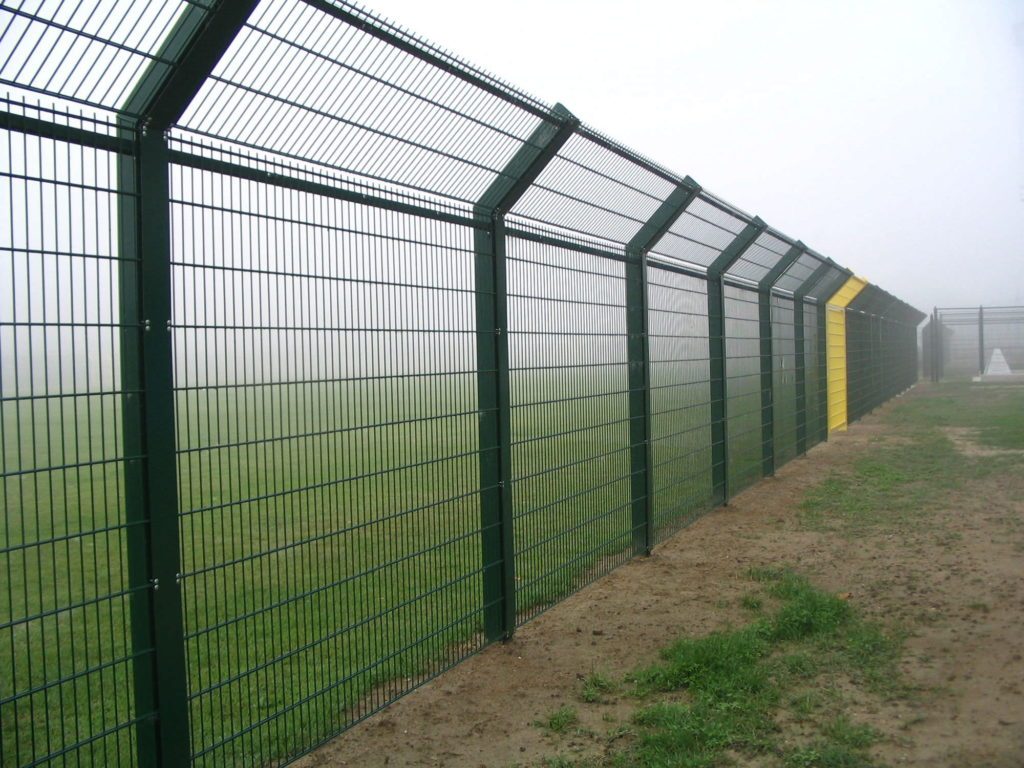
What design elements make mesh fencing more secure? Anti-climb mesh design represents the first line of defense, featuring small openings (typically 50mm x 50mm or smaller) that prevent fingers and toes from gaining purchase. This pattern maintains clear visibility for site supervision while eliminating handholds that facilitate unauthorized entry.
The mesh should incorporate welded intersections rather than woven patterns, as welded joints resist cutting and manipulation. Panels require rigid framework construction with vertical and horizontal rails that prevent bending or flexing under pressure.
Strategic gate placement demands careful consideration:
- Position lockable gates away from public gathering areas and high-traffic pedestrian zones
- Install heavy-duty padlocks or keyed cylinder locks rated for outdoor exposure
- Ensure gates swing inward to prevent blocking public footpaths
- Designate separate entry points for workers, deliveries, and emergency vehicle access
- Schedule gate monitoring during shift changes when multiple workers arrive simultaneously
Gate hinges must be tamper-resistant, with pins welded or fitted with anti-lift mechanisms. For sites requiring frequent vehicle movement, consider automated gate systems with access card readers that log entry times and personnel identification.
Bracing systems add stability through diagonal supports or weighted bases filled with water or sand. These prevent panels from being pushed over or lifted from underneath, particularly important for sites exposed to strong winds or located on uneven terrain.
In addition to these features, it’s essential to consider other security measures as outlined in this security brochure.
What Additional Security Measures Complement Mesh Fencing at Construction Sites?
Access Control Protocols
Access control protocols form the foundation of comprehensive site security beyond physical barriers. Sign-in/out systems track every person entering and exiting the construction site, creating an auditable record of who is present at any given time. Digital access systems using swipe cards or mobile apps provide real-time data on worker movements, while visitor management software requires all non-employees to register before entry. These protocols help identify unauthorized individuals quickly and assist emergency services during incidents.
CCTV Surveillance
CCTV surveillance extends security coverage across areas that physical patrols cannot constantly monitor. Cameras positioned at entry points, material storage zones, and blind spots around the perimeter provide 24/7 monitoring capabilities. Modern systems offer remote viewing through smartphones or tablets, allowing site managers to check security status from anywhere. Motion-activated recording reduces storage requirements while capturing critical events, and visible cameras act as deterrents to potential intruders.
Other Resources : CCTV – use of closed circuit cameras
Equipment Protection Methods
Equipment protection methods safeguard valuable machinery and materials from theft or vandalism. Lockable storage containers house smaller tools and equipment overnight, while immobilizers prevent unauthorized operation of heavy machinery. GPS tracking devices on high-value equipment enable quick recovery if items are stolen. Secure compound areas within the fenced perimeter create additional protection layers for expensive materials like copper wiring or specialized construction components.
What Are the Consequences of Non-Compliance With Mesh Fencing Regulations?
Companies face financial penalties up to $250,000 when regulatory authorities like Safe Work Australia identify mesh fencing violations during site inspections. These non-compliance penalties Australia enforces serve as significant deterrents, with the amount varying based on the severity and frequency of breaches.
Legal prosecution construction safety violations can result in criminal charges against both companies and individual supervisors. Courts may impose additional fines, mandate immediate work stoppages, and require rectification before operations resume. Sites operating without compliant fencing risk having their permits suspended until they meet all regulatory requirements.
The financial impact extends beyond direct fines for construction sites. Insurance policies may become void if incidents occur on non-compliant sites, leaving companies exposed to unlimited liability claims. Insurers typically increase premiums following safety breaches, creating long-term financial burdens. Reputational damage from publicized violations can lead to lost contracts, as many clients now require proven safety track records before awarding tenders. Repeat offenders face escalating penalties and increased scrutiny from regulators on future projects.
Conclusion
Mesh fences are essential safety measures on construction sites in Australia. They protect workers and the public from serious dangers. It’s not optional for principal contractors to follow the Work Health and Safety Act 2011 and AS4687-2022 standards—it’s a legal requirement they must meet before starting any work worth over $250,000.
The rules are straightforward: the fence must be at least 1.8 meters high, stable in structure, designed to prevent climbing, and equipped with proper security features. Failing to comply can lead to severe consequences such as hefty fines, work stoppages, and damage to reputation.
By understanding mesh fencing for construction sites: what are the compliance requirements in Australia?, you can ensure that your project meets legal standards and provides a safe environment for everyone involved.