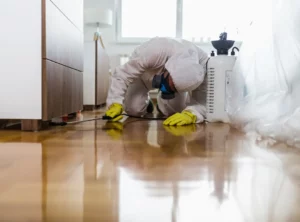
This guide covers what termites are, how they get in, and what a sensible termite control plan looks like for a typical home.
What exactly are termites, and why are they such a problem?
Effective home termite control starts with understanding the threat. Termites are wood-eating insects that live in colonies and feed on materials containing cellulose. They are a problem because they can damage structural timber, flooring, and joinery from the inside out, often with little visible warning.
Unlike many pests, termites can work continuously and at scale. A mature colony can cause costly damage over time, especially where timber remains damp or hidden.
How can homeowners tell if they might have termites?
They should look for subtle, repeatable signs rather than a single obvious clue. Common indicators include hollow-sounding timber, blistered paint, and doors or windows that suddenly stick.
Other signs can include fine, sand-like droppings (often linked with drywood termites) and mud tubes on walls or foundations (often linked with subterranean termites). If they see winged insects indoors, they should not assume they are ants without checking.
Where do termites typically enter a home?
They often enter where timber, soil, and moisture meet. Subterranean termites commonly travel from the ground into a property through cracks in foundations, gaps around pipes, or hidden entry points behind cladding.
They can also exploit bridging points such as garden beds against walls, timber touching soil, or poorly drained areas. Any place that stays damp and sheltered can become an attractive route.
What conditions make a property more at risk?
Moisture is one of the biggest risk factors. Leaking pipes, poor drainage, blocked gutters, and inadequate ventilation under floors can create ideal conditions.
Other risks include timber stored against the house, dense planting near external walls, and untreated wood in contact with the ground. Even modern homes are not immune if design or maintenance creates concealed, damp voids.
Should homeowners try DIY termite treatment?
They can do useful prevention and monitoring, but DIY treatment is rarely reliable as a complete fix. Termites can be spread across hidden galleries, wall cavities, and subfloor areas, and partial treatment may push them to relocate rather than eliminate the colony.
DIY products may help reduce activity in a small, accessible area, but they can also create a false sense of security. If there is any suspicion of an active infestation, professional inspection is usually the safer next step.
What does a professional termite inspection usually involve?
They typically check the perimeter, subfloor, roof void, and known risk zones for moisture, damage, and termite activity. They may use tools such as moisture meters, sounding techniques, thermal imaging, or borescopes depending on access and construction type.
A good inspection also identifies why termites were attracted in the first place. That includes drainage issues, ventilation problems, and timber-to-soil contact that should be corrected.
Which termite control methods are most common?
They generally fall into three categories: baiting systems, liquid soil treatments, and physical or chemical barriers. The right option depends on termite type, infestation location, property layout, and how quickly control is needed.
Baiting aims to eliminate the colony over time, while liquid treatments can create a protective zone in the soil. Barriers are often used as part of prevention or during construction, but they can also be added later in certain situations.
How do termite baiting systems work, and when are they useful?
They work by placing bait stations that termites feed on and carry back to the colony. The bait is designed to spread through the colony and gradually reduce or eliminate it.
Baiting can be useful where liquid treatment is difficult, where homeowners want a lower-impact approach, or where ongoing monitoring is preferred. It can take time, though, and it relies on correct placement, regular checks, and termite feeding behaviour.
What should homeowners know about liquid termite treatments?
They are typically applied to the soil around and beneath the property to create a treated zone that termites must pass through. Done properly, this can provide strong protection and fast reduction in termite activity.
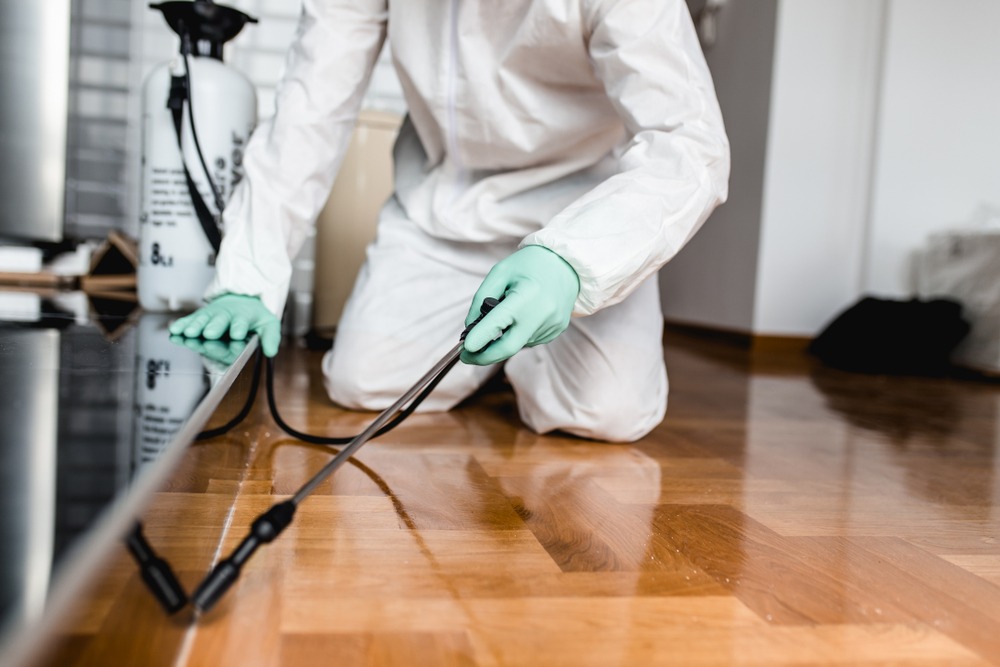
However, effectiveness depends on coverage and access. Complex foundations, extensions, and hidden voids can make treatment more challenging, so homeowners should expect a professional to explain limitations and follow-up requirements clearly. Learn more about pest control termite treatments: chemical vs bait systems compared.
How can homeowners prevent termites in the first place?
They can reduce risk by controlling moisture, removing access points, and avoiding timber contact with soil. Fixing leaks, improving drainage, and keeping subfloor areas well ventilated can make a major difference.
They should also keep weep holes clear, avoid piling mulch against walls, and store firewood and timber away from the house. Prevention is rarely one big action, but a set of small habits that remove termite-friendly conditions.
What should homeowners do if they suspect active termites?
They should avoid disturbing the area, because termites can retreat deeper into hidden spaces. They should take photos, note where signs were found, and arrange a professional inspection as soon as possible.
If they find mud tubes or damaged timber, they should not rip them out “to check”. Keeping the evidence intact helps confirm activity and guides targeted treatment.
How often should termite inspections be done?
They are often recommended annually, but frequency can vary by region, property type, and risk level. Homes near bushland, with older construction, or with past termite issues may benefit from more frequent checks.
Even where there are no signs, inspections can catch early activity and identify moisture problems before they turn into infestations. Regular inspections usually cost far less than structural repairs.
What’s the bottom line for homeowners?
They should treat termite control as an ongoing part of home maintenance, not a one-off emergency. Fast action, correct identification, and risk reduction are what protect the building long term.
If they are unsure, an inspection is the sensible first move. It replaces guesswork with a clear plan, whether that means treatment now, prevention upgrades, or monitored protection going forward.
FAQs (Frequently Asked Questions)
What are termites and why do they pose a serious threat to homes?
Termites are wood-eating insects that live in colonies and feed on materials containing cellulose. They pose a serious threat because they can damage structural timber, flooring, and joinery from the inside out, often without visible warning. Their continuous and large-scale activity can cause costly damage, especially where timber remains damp or hidden.
How can homeowners identify early signs of termite infestation?
Homeowners should look for subtle, repeatable signs such as hollow-sounding timber, blistered paint, doors or windows that suddenly stick, fine sand-like droppings (linked with drywood termites), mud tubes on walls or foundations (linked with subterranean termites), and winged insects indoors that might be termites rather than ants.
Where do termites usually enter a home and what conditions increase the risk?
Termites typically enter where timber, soil, and moisture meet—through cracks in foundations, gaps around pipes, or hidden entry points behind cladding. Conditions that increase risk include moisture from leaking pipes, poor drainage, blocked gutters, inadequate ventilation under floors, timber stored against the house, dense planting near walls, and untreated wood in contact with soil.

Are DIY termite treatments effective for complete termite control?
DIY treatments can be useful for prevention and monitoring but are rarely reliable as a complete fix. Termites often inhabit hidden galleries and subfloor areas; partial treatment may cause them to relocate rather than eliminate the colony. Professional inspection is recommended if an active infestation is suspected to ensure safe and thorough control.
What does a professional termite inspection involve?
A professional inspection typically includes checking the property’s perimeter, subfloor, roof voids, and known risk zones for moisture, damage, and termite activity. Inspectors may use tools like moisture meters, sounding techniques, thermal imaging, or borescopes. They also identify underlying issues attracting termites such as drainage problems or timber-to-soil contact to recommend corrective actions.
What are the most common termite control methods available?
Common termite control methods include baiting systems that eliminate colonies over time by spreading toxic bait; liquid soil treatments that create protective treated zones around properties; and physical or chemical barriers used during construction or added later. The choice depends on termite type, infestation location, property layout, and urgency of control needed.